

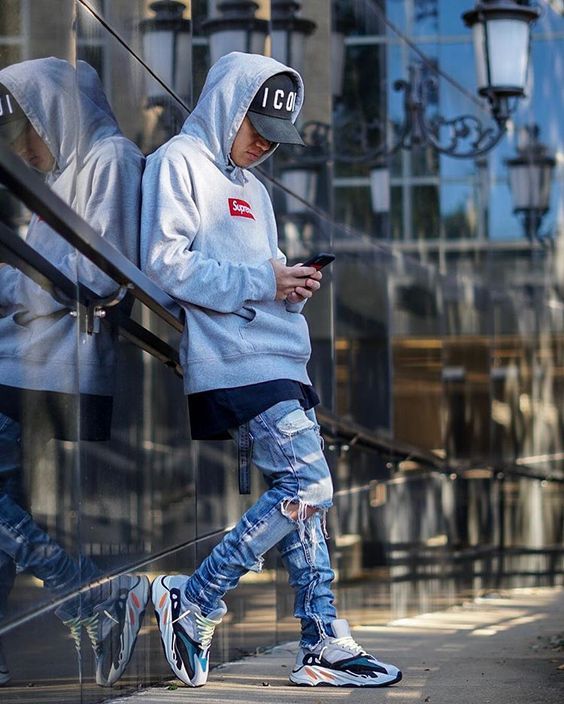
Few garments in modern streetwear carry the cultural weight and instant recognition of a Supreme hoodie. What began as a niche skate brand in downtown New York evolved into a global symbol of hype, exclusivity, and effortless cool. The Supreme hoodie isn’t just a sweatshirt—it’s a fashion statement, a collector’s item, and for many, a badge of cultural fluency.
Founded in 1994 by James Jebbia in New York City, https://supremehoodieco.us/
started as a skate shop catering to downtown youth culture. The brand’s early aesthetic was rooted in skateboarding, punk music, and countercultural art. Over time, Supreme transformed from a local skate label into a global streetwear powerhouse, largely driven by its limited drops, bold branding, and strategic collaborations. At the center of this meteoric rise stands the iconic Supreme hoodie.
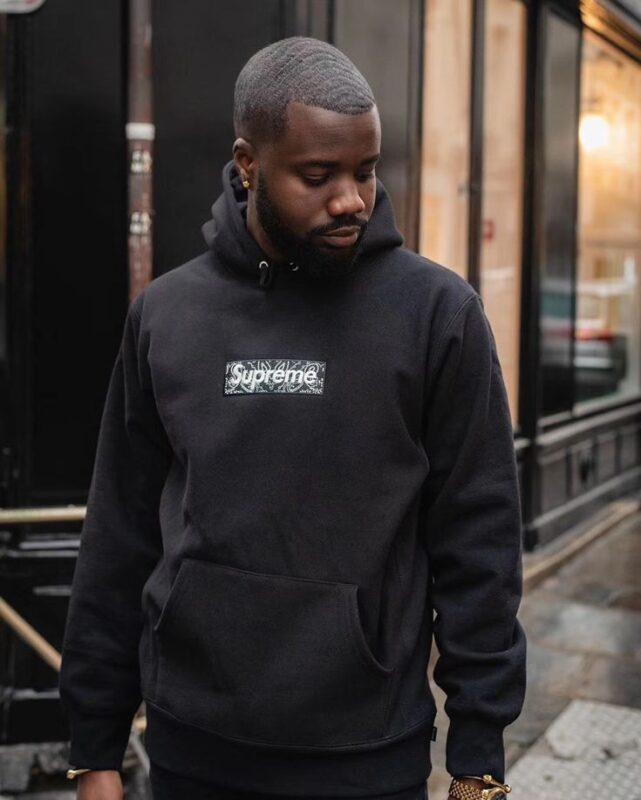
The most recognizable version is the Box Logo (often called the “Bogo”) hoodie. Simple in construction yet powerful in presence, it typically features a heavyweight cotton body with a clean-cut silhouette and a striking red box emblazoned with white Supreme lettering across the chest. The logo’s design was inspired by the provocative text-based art of Barbara Kruger, whose bold typographic style challenged consumerism and authority. Supreme recontextualized this aesthetic, turning it into one of the most coveted logos in fashion.
Part of the hoodie’s allure lies in scarcity. Supreme pioneered the “drop” model long before it became mainstream. Instead of producing endless inventory, the brand releases limited quantities at scheduled times, often selling out within minutes. This strategy fuels anticipation and drives resale value through platforms like StockX and GOAT. A hoodie originally retailing for a few hundred dollars can command multiples of that price on the secondary market, especially if it’s a rare colorway or part of a significant collaboration.
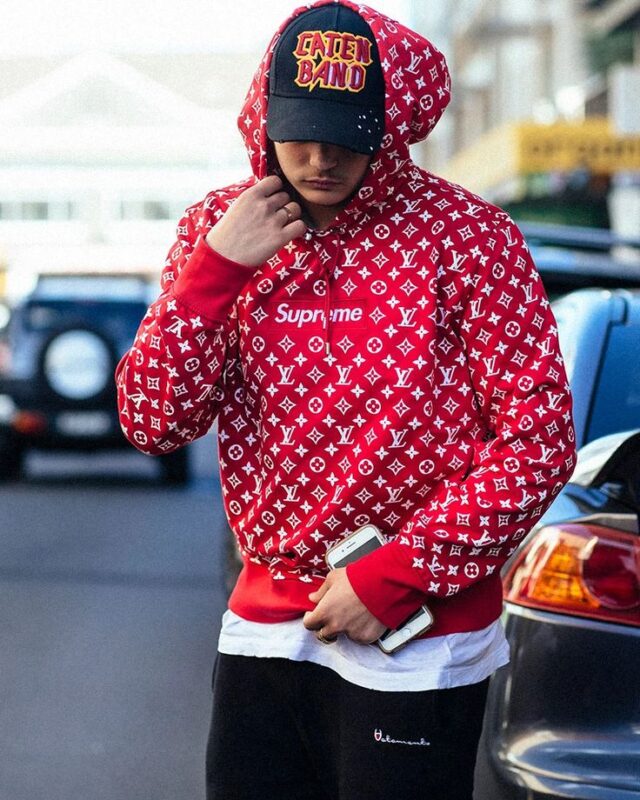
Collaborations are another cornerstone of the supreme hoodie iconic status. Over the years, Supreme has partnered with a diverse range of cultural giants. From high fashion houses like Louis Vuitton to heritage sportswear brands like Nike, these partnerships blur the lines between streetwear and luxury. The 2017 Supreme x Louis Vuitton collection, in particular, signaled streetwear’s full integration into the high-fashion establishment. A Supreme hoodie bearing both logos became an instant grail piece, merging skate authenticity with Parisian luxury.
Beyond fashion, the Supreme hoodie holds cultural capital. It has been worn by influential musicians, athletes, and artists who amplify its status. Hip-hop icons and pop stars have embraced the brand, reinforcing its connection to youth culture and creative rebellion. The hoodie appears in music videos, on concert stages, and across social media feeds, each sighting reinforcing its symbolic power.
Quality also contributes to the hoodie’s reputation. Supreme hoodies are known for their heavyweight fleece, durable stitching, and structured fit. Unlike fast-fashion alternatives, these garments are built to last. The craftsmanship justifies, at least in part, the premium pricing. Owning one feels substantial—both physically and culturally.
However, the Supreme hoodie is not without controversy. Critics argue that hype culture promotes excessive consumerism and exclusivity. Long lines outside Supreme stores, website crashes during drops, and the presence of resellers using bots to secure inventory have sparked debates about accessibility and authenticity. Some purists feel the brand’s expansion diluted its underground roots. Yet paradoxically, these tensions only add to the hoodie’s mystique. The friction between exclusivity and mass desire fuels the narrative that makes each piece feel important.
The global expansion of Supreme further cemented the hoodie’s iconic status. Flagship stores in cities like Tokyo, London, and Paris transformed the brand into an international phenomenon. Despite its growth, the formula remained consistent: limited supply, strong branding, and cultural relevance.
In 2020, Supreme entered a new era when it was acquired by VF Corporation, the parent company of brands like The North Face and Vans. The acquisition sparked speculation about whether the brand could maintain its exclusivity under corporate ownership. Yet the hoodie remains as sought-after as ever, proving that its power extends beyond ownership structures.
Ultimately, the supreme hoodies represents more than fabric and ink. It embodies a shift in how fashion operates in the digital age—where scarcity, storytelling, and cultural endorsement drive value as much as craftsmanship. It symbolizes belonging to a community that understands the language of drops, collabs, and resale markets. For some, it’s an investment. For others, it’s self-expression. For many, it’s both.
In a world saturated with logos and trends that fade as quickly as they appear, the Supreme hoodie endures. Its simple design, strategic scarcity, and deep cultural roots ensure that it remains an icon of hype fashion—one that continues to shape the conversation around streetwear and modern style.